

If you have ever walked down Duval Street with a frozen concoction in your hand and wondered what this island was like before it became a playground for cruise ships and expensive boutique hotels, you are in the right place. Let’s be honest, Key West has always had a reputation for being a little weird, a little reckless, and totally unforgettable. But back in the 1970s? It was an absolute magnet for brilliant misfits, artists, and writers trying to reinvent themselves.
I recently sat down with William (Bill) McKeen, the longtime journalism professor at Boston University and the mastermind author behind Mile Marker Zero. This book drops us right into the chaotic, creative, and completely unfiltered era of 1970s Key West. It is a time when rent was cheap, the air smelled heavily of fish guts and outboard motor gas, and nobody bothered you if you wanted to write the next great American novel—or just sleep off a hangover on the beach.
Bill has written about some truly legendary people and moments throughout his career. But today, we are talking about how Mile Marker Zero actually came together. From the unexpected voicemail that sparked an introduction to the surprising stories he had to edit out (don’t worry, we’ll tell you where to find them), this interview gives you a backstage pass to a Key West you probably never knew existed. Grab a café con leche and let’s get into it.
The Voicemail That Started It All
You know how most books start with a quiet moment of inspiration? Yeah, this one didn’t. The idea for Mile Marker Zero actually came straight from the grave of the legendary gonzo journalist, Hunter S. Thompson.
While Bill was working on a definitive biography of Thompson, he crossed paths with Tom Corcoran, a Key West local and writer (you might know him from The Mango Opera). Corcoran played Bill a voicemail he had received from Hunter Thompson just six weeks before Thompson tragically took his own life in 2005.
In that recording, Thompson enthusiastically talked about spending the night chatting with folks, including Jimmy Buffett. He was fired up about documenting the “missing years” of Key West. Thompson wanted to get the old crew back together—guys like Thomas McGuane, Russell Chatham, and whoever else was still alive—to go back over the photographs, hit the boats, and have a little fun writing the definitive history of that era.
Tom Corcoran never returned that call. But after Thompson passed, Corcoran handed the baton to Bill. Corcoran basically said he was too close to the subject matter to write it himself, gave Bill his blessing, and offered to help open doors. Having that kind of papal blessing from someone who actually lived the stories? That is all the permission a natural storyteller like Bill needed to dive in.
Why Key West? (Hint: Cheap Rent and Zero Rules)
So, what exactly made Key West the ultimate hideout for the 1970s creative class? Bill describes the island back then as a complete outlier. It wasn’t really Florida; it was its own chaotic republic.
It was a place where celebrities and creatives could go and absolutely nobody would hassle them. The culture of the island dictated that you left people alone. If a famous actor or a brilliant novelist walked into a bar, the locals couldn’t care less. The real celebrities on the island were the multigenerational fishing guides, not the Hollywood elite. People could fly under the radar, experiment with their art, and basically be their authentic, messy selves.
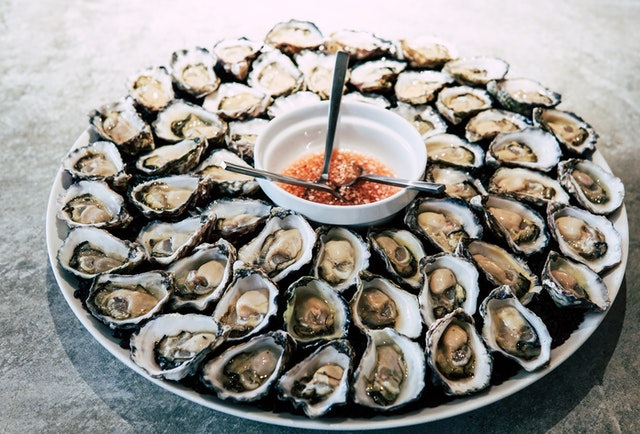
Plus, it was cheap. Before the era of $500-a-night hotel rooms and luxury condos, a creative person could realistically afford to live in paradise. You could sell tacos from a bicycle, rent a funky little place, and still have enough cash leftover to hit up the Half Shell Raw Bar for cheap seafood and cold beer.
The Sensory Overload of the Island
If you are going to write about Key West, you have to engage the senses. Bill’s ex-wife, a Key West native, gave him the best piece of advice for capturing the island’s true essence: focus on the smells.
The aroma of the island triggers massive waves of nostalgia for anyone who has spent real time there. Maybe it is the beautiful, floral scent of frangipani blowing in the breeze. Maybe it is the distinct, mechanical smell of outboard motor gasoline at the docks. Or maybe it is the “gutter stink of fish guts” that writer Jim Harrison fondly remembered. Engaging those senses transports the reader right back to the sweaty, beautiful reality of the Florida Keys.
Crafting the Narrative Around the “Sporting Club”
Taking a massive cast of colorful, wild, and unpredictable characters and turning them into a cohesive book is a massive challenge. Bill knew he didn’t want the book to devolve into just a string of stories about famous people throwing up in the gutter. He wanted to focus on the serious nature of their work and the idyllic, frontier-like society they built.
To pull this off, Bill used Tom Corcoran as the central gateway character. Corcoran was the perfect anchor. He was a former Navy officer from the Midwest who moved to Key West and completely went off the rails—selling tacos from a bike and pouring Jimmy Buffett his very first beer on the island.
Through Corcoran, Bill introduces us to the “Sporting Club.” This core group included heavyweight writers like Thomas McGuane and Jim Harrison, painter Russell Chatham, and a rotating cast of actors and musicians. Bill structured the narrative like an Olympic relay race. Corcoran hands the baton to McGuane, McGuane hands it to Harrison, and so on. The story flows organically through their incredible, interconnected lives rather than sticking to a rigid, boring timeline.
Editing the Raunchy Stuff
When you are interviewing a bunch of 1970s artists about their wildest days, you are going to hear some things. Bill spent hours recording these legendary storytellers, and he quickly realized some of the material was way too hot for traditional publishing.
Russell Chatham, the brilliant painter, was apparently a wildly uninhibited storyteller. Chatham casually recounted a story about having relations with a young woman on top of a bar, in public, with a crowd cheering him on. He followed it up with the ultimate understatement: “This is not the sort of thing that happens every day.”
Bill opted to trim down some of the hyper-sexualized escapades. But if you are feeling curious, Bill actually saved a lot of those “bonus track” stories. You can find the uncensored, raunchy cuts over on his personal website. You’re welcome.
Surviving Paradise: The Balance of Art and Pleasure
Here is the hard truth about living in a tropical paradise: it will absolutely test your willpower. When someone offers you a perfectly mixed margarita at 11:00 AM, it is notoriously difficult to say no to a second one at 11:30.
For an artist trying to produce meaningful work, that environment is a double-edged sword. It provides incredible inspiration, but it can also completely derail your productivity. Bill points out that most of the core characters in Mile Marker Zero eventually had to pack up and leave.
Many of them, including McGuane, Harrison, and Jimmy Buffett, eventually relocated to the area around Livingston, Montana. They traded the tropical heat for the mountains so they could actually get some writing done without succumbing to the endless temptations of Duval Street. They realized they couldn’t stay in Key West one minute longer without letting the party completely take over their lives.
Friendship, Heartbreak, and Real Life
At its core, Mile Marker Zero is really a biography of a friendship. These people knew each other for 40 years, supporting each other through massive career highs and brutal personal lows.
Bill originally thought the book was going to have a purely happy ending. Thomas McGuane, who was infamous for his substance abuse and chaotic personal life, eventually got clean and sober. He settled down and later described his multi-decade marriage as “jubilant.” Seeing an artist survive the madness of the seventies and find genuine peace is a beautiful narrative arc.
But real life doesn’t always tie itself up in a neat little bow. When Bill pressed Tom Corcoran for more details about his own life, Corcoran revealed the tragic story of his wife’s disappearance. Her body was never found. Bill was shocked and offered to remove the dark turn from the book, but Corcoran insisted he leave it in. It serves as a stark, heartbreaking reminder that not everybody makes it out of paradise unscathed.
Can the 1970s Key West Vibe Still Exist?
With housing prices skyrocketing and tourists flooding the island year-round, is it still possible to find that authentic, creative vibe in Key West today?
Bill absolutely believes it is. While the cost of living has drastically changed the landscape, pushing many service industry workers out to Sugarloaf or Big Pine Key, the creative spirit hasn’t completely evaporated. There are still brilliant people doing weird, wonderful, and artistic things on the island. You might have to look a little harder to find them, and you definitely have to dodge the massive crowds during Fantasy Fest, but the muse that inspired Hemingway, Tennessee Williams, and Jimmy Buffett is still floating around in the salt air.
Bill’s Key West Go-Tos
We couldn’t let Bill go without getting his personal recommendations for surviving the island today.
When he needs caffeine, he heads to a little coffee stand at the Habana Plaza on Flagler Avenue. You don’t even need to speak English there—just hold up your fingers and grab the best cafe con leche on the island.
For dinner? Keep it totally low-rent and casual. Bill prefers the open-air joints where you can catch a breeze and eat a fish sandwich without needing to dress up. Turtle Kraals (back in the day), the Half Shell Raw Bar, or Bo’s Fish Wagon are his absolute favorites. Fun fact: Bill actually did a book reading at Bo’s Fish Wagon once, accompanied by his cousin-in-law improvising blues music on the piano in the background. Does it get any more Key West than that?
Grab Your Copy and Head to the Keys
Mile Marker Zero is a brilliant reminder that Key West is more than just a geographic location. It is a state of mind. William McKeen managed to capture the lightning-in-a-bottle energy of a time when the rules were totally optional and the creativity was flowing as freely as the rum.
If you are packing your bags for the Keys, or if you just desperately need a mental vacation from your desk job, pick up a copy of this book. You will laugh, you will probably be a little shocked, and you will definitely understand why an entire generation of artists fell madly in love with the weirdest island in America.
Also – be sure to check out the Fun In Key West Book club.