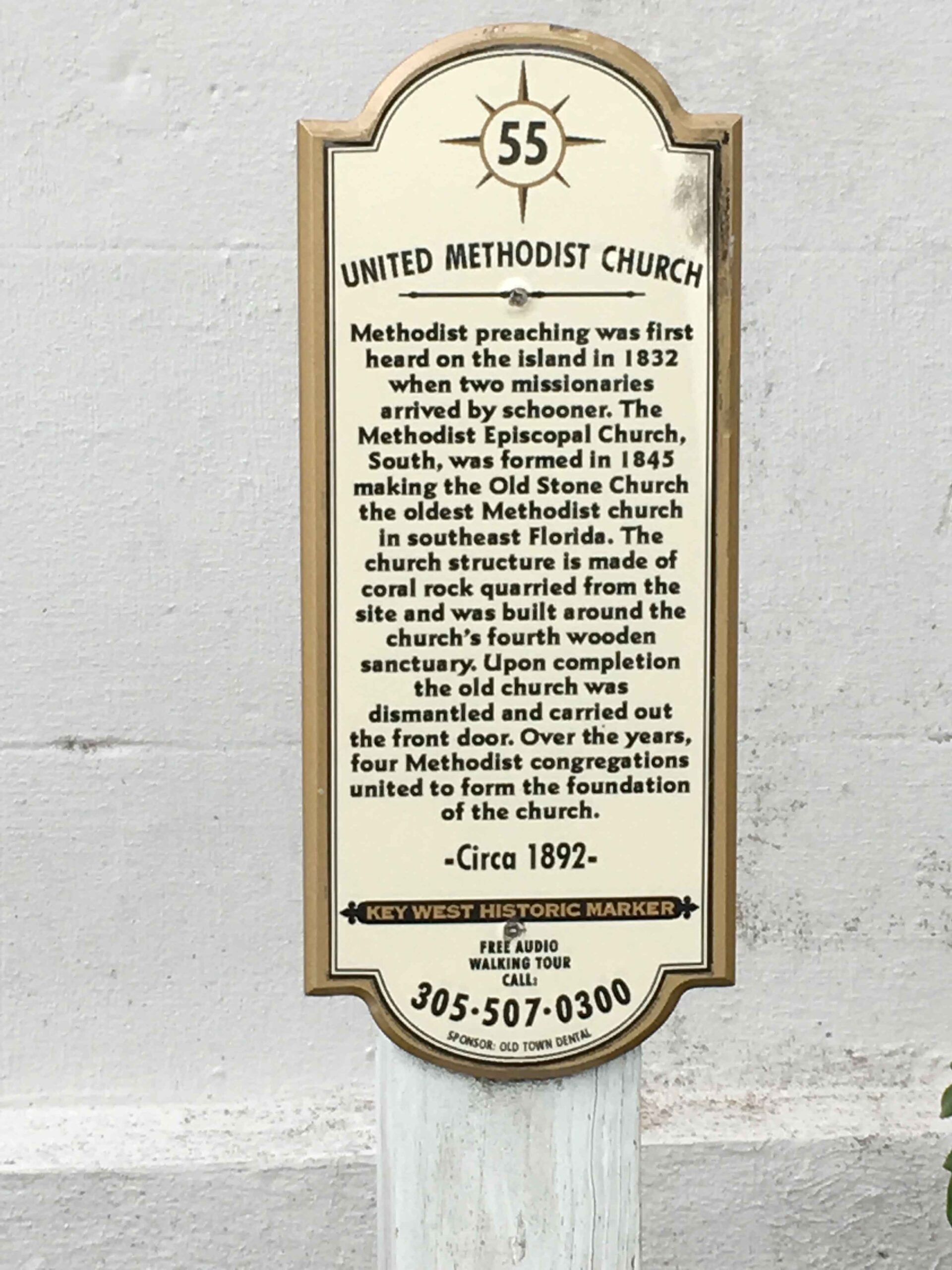


What if I told you there is a church in Key West that was actually built entirely around another church? Yes, you read that right. While you are wandering the vibrant streets of Old Town, you might just stumble upon Historic Marker #55 and one of the quirkiest architectural feats on the island.
Meet the United Methodist Old Stone Church. It sits proudly at the corner of Eaton, Simonton, and Elizabeth Streets, looking like a grand, immovable fortress of faith. But this beautiful limestone structure wasn’t just dropped here overnight. It is the oldest Methodist church in Southeast Florida, and it was quite literally built from the island itself.
This isn’t your standard, sleepy historical tale. The story of the Old Stone Church is packed with catastrophic hurricanes, devastating yellow fever outbreaks, brilliant island ingenuity, and maybe even a few ghosts. It is a testament to the stubborn resilience of the people who decided to call this remote coral rock home.
Grab your walking shoes and a Cuban coffee. We are taking a stroll back in time to uncover how a tiny congregation survived the chaotic early days of Key West and managed to build a church that simply refused to be blown away.
Surviving the 1800s: Living Room Sermons and Island Chaos
Let’s rewind to the early 1800s. Key West was a remote, rugged coral island sitting right between the Gulf of Mexico and the Atlantic Ocean. Much like today, it was a total melting pot. You had your ship wreckers, Bahamian settlers, Cuban expatriates, fishermen, pirates, and shipwreck survivors all trying to make a buck and stay alive.
It was a tough place to live. The island was constantly battered by devastating fires, yellow fever epidemics, and massive hurricanes. But through all the chaos, the community held onto their faith.
In 1832, ten years after the city was founded, two Methodist missionaries arrived by schooner. They didn’t have a fancy building with stained glass windows or comfortable pews. Instead, they held their very first worship services right in the living room of a Bahamian settler named Samuel Kemp. For twelve years, Samuel’s home was the gathering spot for this growing, tight-knit community. Eventually, they decided it was time to move out of the living room and into a proper church.
A History of Resilience: The Churches Before the “Old Stone”
Building a permanent structure in a town prone to fires and hurricanes is not for the faint of heart. The congregation quickly learned this the hard way.
Their very first official church was a wooden building located over at the corner of Eaton and William Streets. Unfortunately, it sustained heavy damage and burned down. Not letting that stop them, they built a second wooden structure over on Caroline Street. That one was completely devastated, too.
By 1846, they had constructed a third wooden worship hall right where the current church sits today. But mother nature had other plans. The massive 1846 Havana Hurricane rolled through and utterly destroyed it.
At this point, you have to admire their sheer stubbornness. In 1847, the congregation took their insurance proceeds and built yet another small wooden structure on the exact same site. They made do with what they had, officially forming the Methodist Episcopal Church, South.
The Birth of the Old Stone Church
After losing three buildings to fire and wind, the congregation finally had enough. They wanted a church that would stand up to anything the Florida weather threw at it.
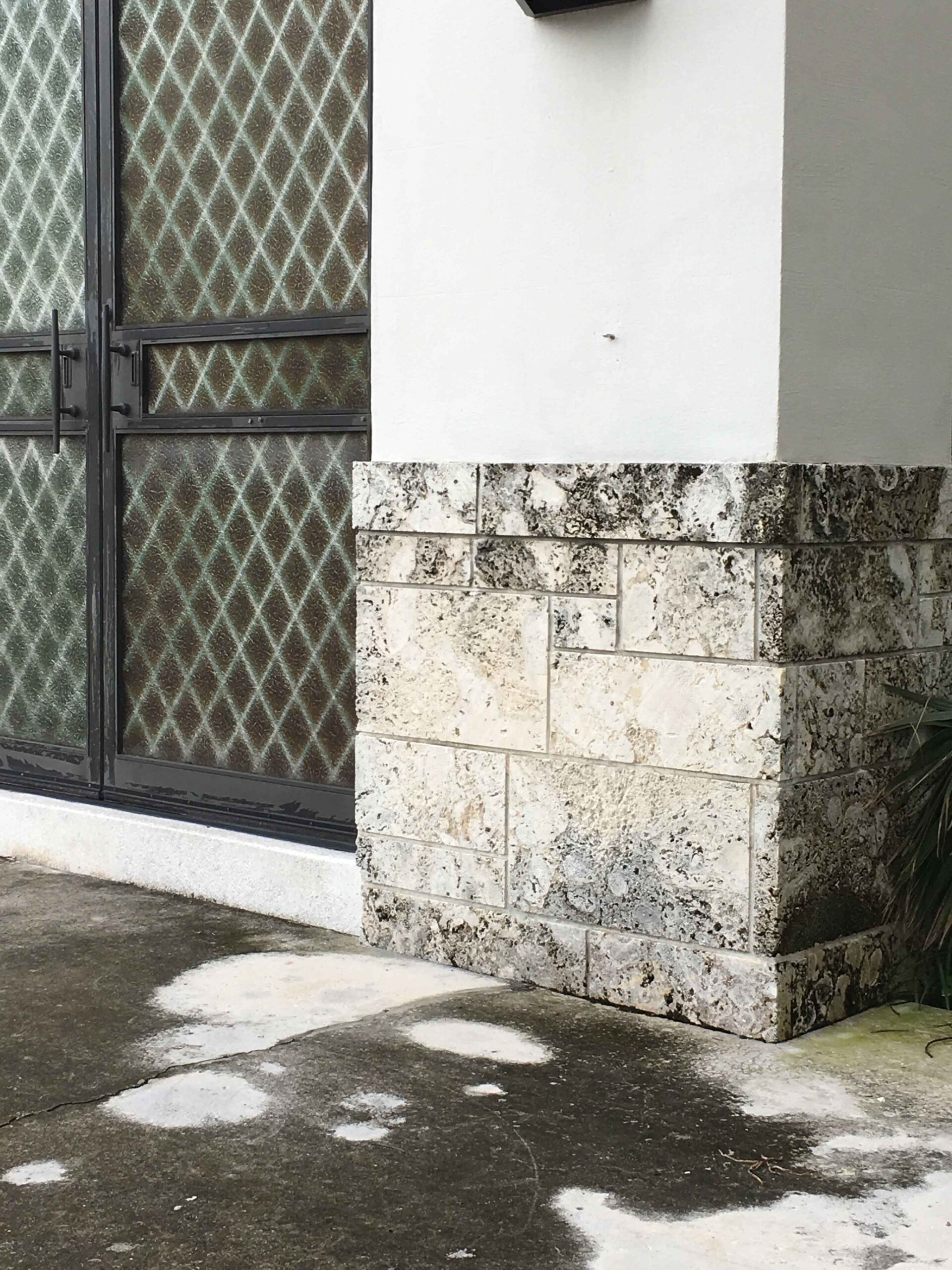
Around 1870, they brought in William Kerr. He was a Union army engineer turned builder who originally came to Key West to construct local forts. The congregation pitched an incredibly ambitious idea: they wanted to build the new church out of solid coral rock, and they wanted to quarry that rock directly out of the church grounds.
Kerr agreed, and the intense labor began. They dug up the coral rock right there on the property and started building the massive new stone walls. But here is the truly brilliant part—they built the new coral walls around the existing small wooden church.
For years, the congregation continued to attend Sunday services inside their little wooden church while the massive stone structure was erected around them. Finally, in 1884, Kerr installed the roof on the new building. Then, in a move of pure logistical genius, they slowly dismantled the wooden church from the inside and carried the pieces right out the front door. By 1892, the magnificent Old Stone Church was complete.
Beyond the Walls: Fresh Water and Hidden Cemeteries
The fascinating story of the United Methodist Old Stone Church does not stop at its brilliant construction. Remember that giant hole they dug to quarry all that coral rock? They didn’t just fill it in with dirt. They lined it and let it fill up with rainwater.
This massive cistern provided crucial fresh water not only for the church but for the entire surrounding community and ships docking at the bustling port. The church was literally hydrating the island.
And because this is Key West, things have to get a little bit spooky. During some excavation work around the church in the 1950s, workers made a startling discovery. The church was actually built directly over a small cemetery. If you walk over to the Simonton Street side of the property today, you can still spot an old tombstone resting quietly near the foundation.
Despite fires, hurricanes, and the occasional graveyard surprise, the church is still highly active today. In a beautiful full-circle moment, some of the descendants of Samuel Kemp—the man who hosted those very first living room sermons in 1832—still attend services here.
Explore the Hidden History of Key West
The United Methodist Old Stone Church is proof that you never really know the wild backstory of a building until you stop and look closely. Key West is packed with these incredible tales of survival, grit, and eccentric island logic.
Next time you are wandering around Old Town, make sure to swing by 600 Eaton Street. Find Historic Marker #55, look up at those solid coral walls, and appreciate the absolute sheer will it took to carry a whole wooden church out the front door.