


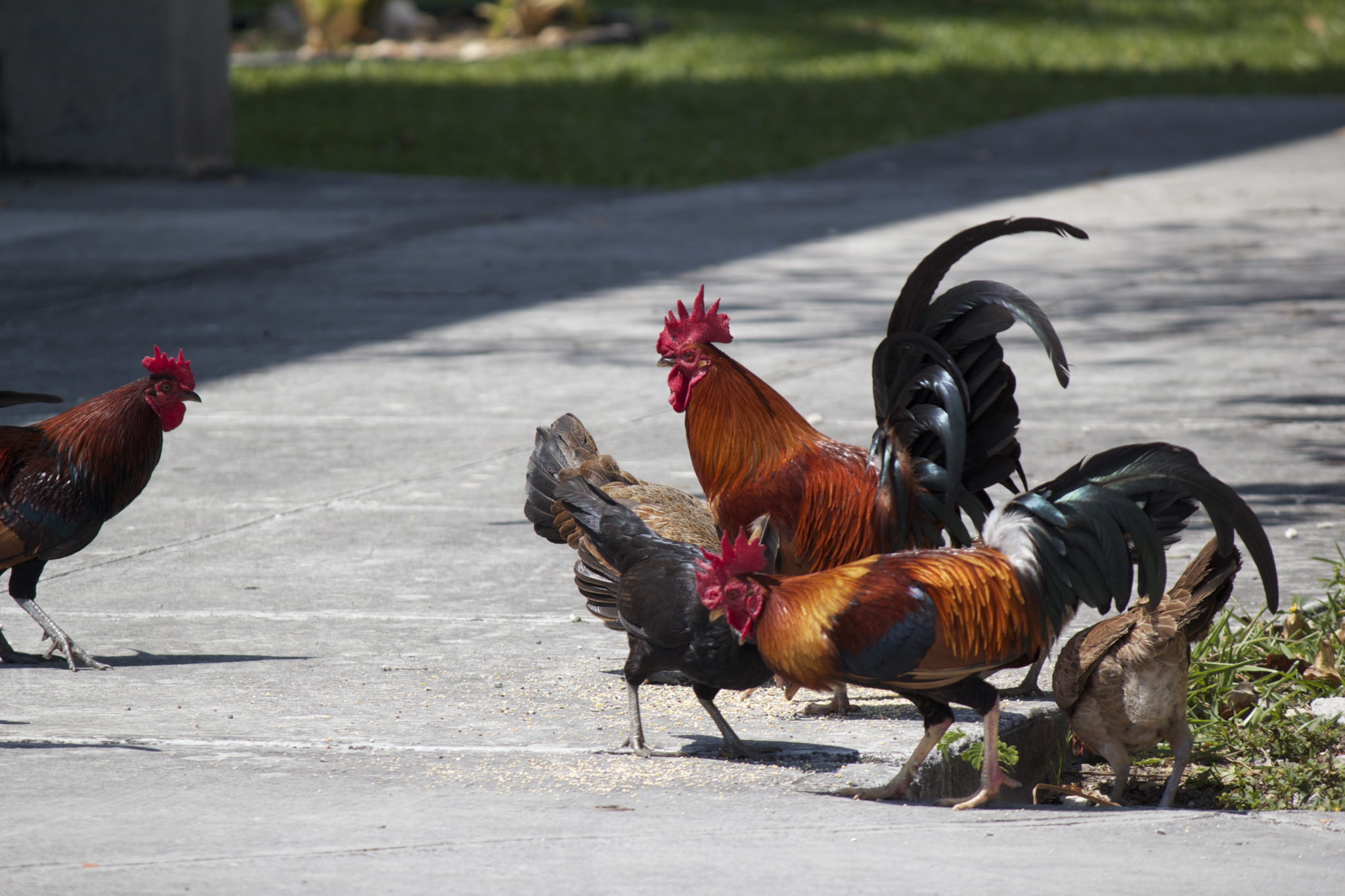
Let’s be honest, you didn’t book a Key West vacation just to see poultry. You probably came for the frozen drinks, the sunsets, and a picture by the Southernmost Point buoy. But the moment you step foot on the streets of Key West, you’re going to meet our most photographed local residents: the Key West roosters.
Whether you’re strolling down Duval Street or sipping coffee in a quiet cafe, you’ll hear them. You’ll see them strutting around like they own the place (because, frankly, they kind of do). The term “rooster” actually originated in the United States, likely because these male chickens love to “roost” up in the trees to catch some sleep.
But how did this tropical paradise become overrun with feral chickens? Grab a mojito, and let’s talk about the history of Key West and its fabulous, feathered mafia.
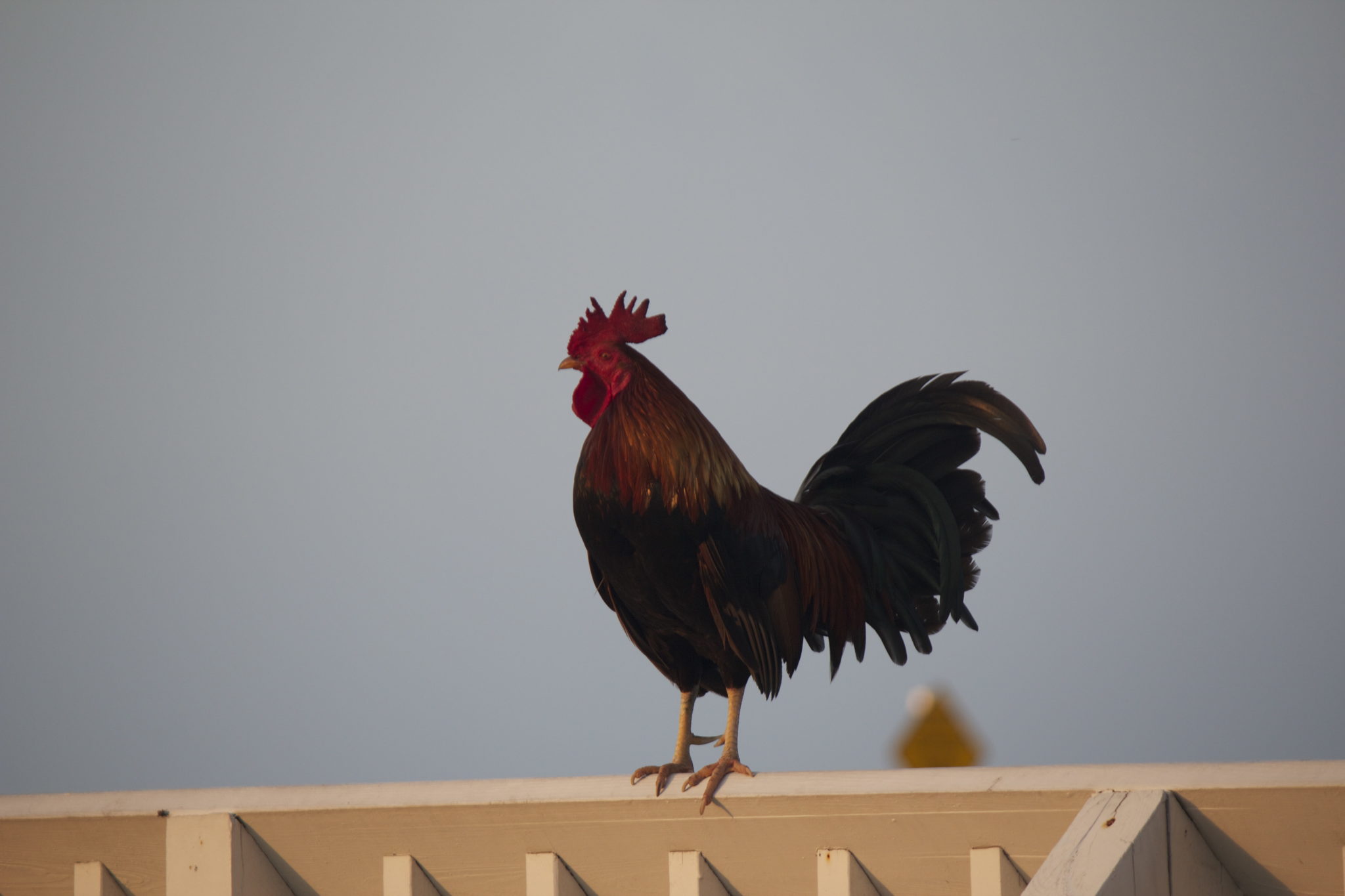
The Sassy History of Key West’s Fighting Birds
These aren’t your average barnyard fowl. Key West roosters are the proud descendants of fighting roosters originally bred in Cuba and the Florida Keys. Back in the day, a winning fighting rooster was a massive source of income—and a favorite gambling activity of many southern men.
When the United States finally cracked down on illegal cockfighting rings, old habits had to change. A lot of these birds were suddenly out of a job. So, what did their owners do? They just opened the gates and let them loose to enjoy the island life.
Today, these official Key West gypsy chickens are highly prized for their gorgeous, brightly colored plumes. And trust me, they haven’t lost the fiery spirit of their ancestors. These guys are fiercely territorial. They take their job of protecting their hens from natural predators—like hawks, snakes, cats, and dogs—very seriously.
The Great Chicken Drama: Managing the Flock
Obviously, having thousands of fearless birds running around creates a bit of a chicken problem. At one point, the population of chickens got so out of hand that the Key West city commission decided to take action.
The Infamous Chicken Catcher
Back in 2004, the city literally hired a professional bird catcher to wrangle the KW chickens and thin out the herd. As you can imagine, such doings didn’t go over well with everyone. The job was massively controversial, and the poor contractor didn’t even last a year before quitting. So much for that plan.
A Kinder Approach: The Key West Wildlife Center
These days, they handle things a bit more peacefully. The Key West Wildlife Center runs a fantastic community trapping program. If a rooster is causing chaos in someone’s yard, residents can safely trap the nuisance birds and bring them to the center, where they get top-notch medical care and plenty of food.
Instead of staying on the island, these birds get a free ticket to the mainland. The Wildlife Center partners with adoption services to relocate the chickens to open areas in central and northern Florida. Some go to a massive animal rescue ranch near Lake Okeechobee, while others are sent to organic farms—including an organic orange orchard in Lake Worth—to act as a natural pest control remedy. After all, they absolutely love eating bugs.
While the center gets a little funding from the City of Key West, they rely heavily on donations to keep this awesome relocation program running.
Embracing a True Piece of Key West Culture
At the end of the day, you can’t have a historic Key West experience without running into these quirky birds. They are an irreplaceable piece of Key West culture. Sure, they might wake you up at 4:00 AM, but watching a mama hen parade her chicks across White Street is one of the best free things you’ll witness on the island.
So, next time you’re on a tour of Key West, don’t just walk past them. Snap a photo of the gypsy chicken population and appreciate the wild, wonderful, and totally weird island we call home. You’re guaranteed to leave with at least one good rooster story.