Did you know Coca-Cola was once bottled right here in Key West?
And according to local lore, some of those bottles may have been filled using water collected in Key West cisterns.
But Coca-Cola is only one chapter in the story of this little corner of Old Town.
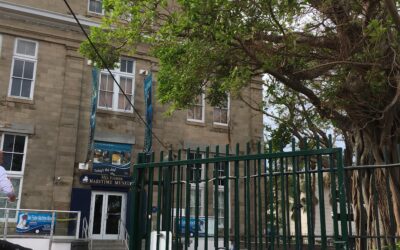
The building at Simonton and Front Streets has been a hardware store, a saloon, a Coca-Cola bottling plant, office space, shops, a liquor distributor and, because this is Key West, even a key lime pie factory.
Today, you can learn the story through Key West Historic Marker #65, the Old Coca-Cola Bottling Court.
It is exactly the kind of Key West history I love. You can walk past a building dozens of times without realizing how many stories are hiding behind its walls.
Where Is the Old Coca-Cola Bottling Court?
The historic marker is located near 103 Simonton Street at the intersection of Simonton and Front Streets in Key West.
This puts it close to the waterfront and just a short walk from many of the places visitors regularly explore in Old Town.
But to understand why this spot became important, we need to go back before anyone here was bottling Coca-Cola.
We actually have to start with fire.
Before Coca-Cola: The Great Fire of 1886
The original building on this site dated to the 1800s, but it was destroyed during the Great Fire of 1886.
The fire devastated a large section of Key West and destroyed or damaged many of the cigar factories that had become such an important part of the local economy.
The cigar industry was enormous in Key West during this period.
Cuban cigar makers had brought their skills to the island, factories employed thousands of workers, and hand-rolled Key West cigars were being shipped far beyond the Florida Keys.
After the fire, the area began rebuilding.
And by 1892, there was a new business on this lot.
First Stop: A Hardware Store
In 1892, a hardware store was constructed on the site.
That might not sound quite as exciting as a saloon or Coca-Cola bottling plant, but look at what surrounded it at the time.
Key West had a thriving fishing industry.
The cigar factories were rebuilding.
Ships were moving through the harbor.
Workers, fishermen and businesses needed tools and supplies.
A hardware store in this location would have been right in the middle of a very busy working Key West.
According to the Key West Historic Markers Project, cigar factories in the surrounding area were once again producing millions of hand-rolled cigars each year.
Then the building changed personalities.
Again.
Jack and Rosa Open a Saloon
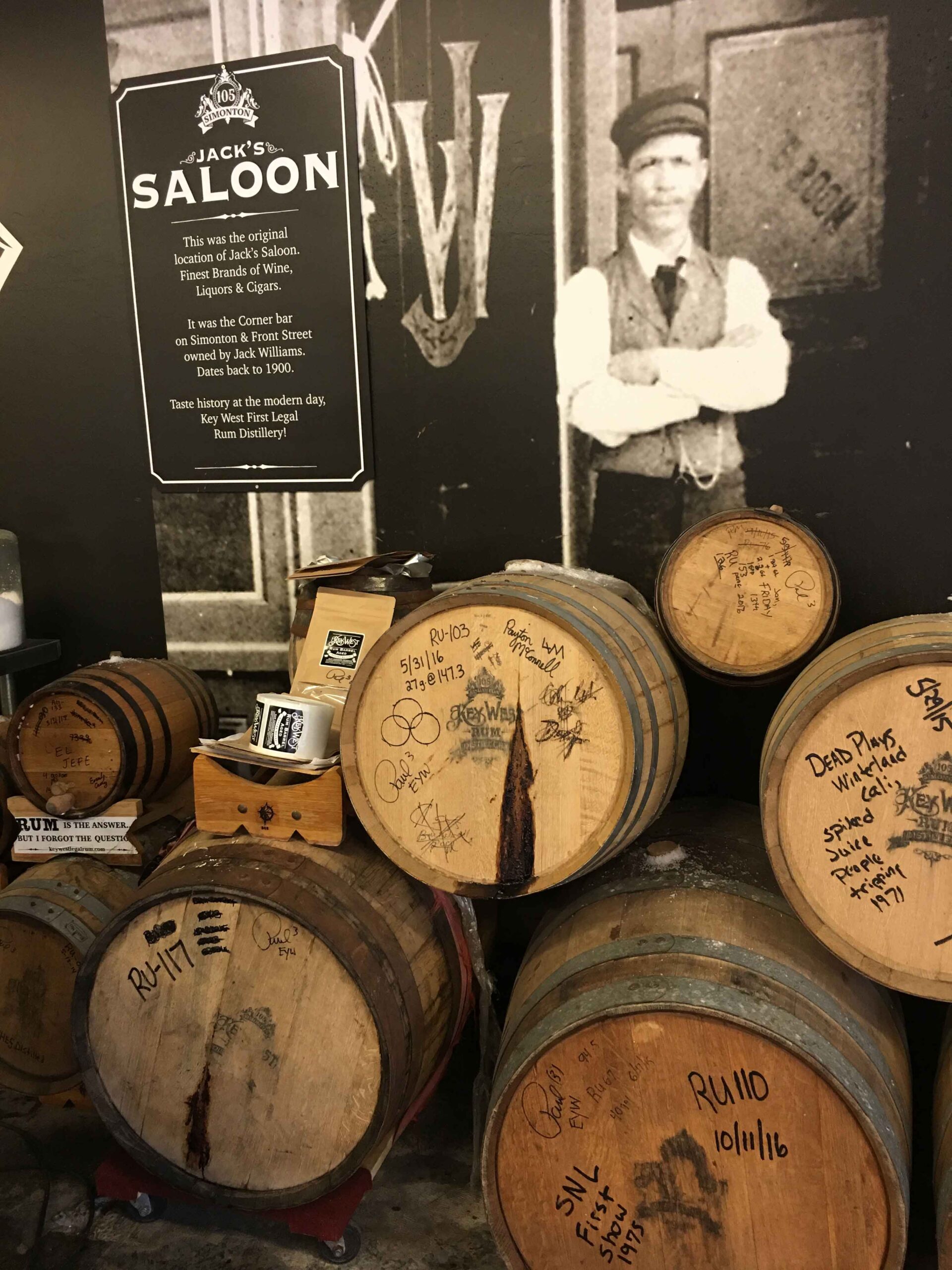
In 1914, Jack and Rosa Williams opened Jack’s Saloon.
And the location could not have been much better.
The nearby waterfront brought sailors and fishermen through the area, along with workers and residents.
Jack’s Saloon became a convenient place to stop and, as the historic marker rather perfectly describes it, “wet the whistle.”
I wish we knew even more about this part of the building’s history.
What did Jack’s Saloon look like?
What did they serve?
Who were the regulars?
What stories were being told over the bar?
Those everyday details are often the parts of history that disappear.
But less than a decade later, the building would take on a very different role.
Coca-Cola Comes to Key West
By 1923, the building had become a Coca-Cola bottling plant.
And this is where the story gets especially fun.
Picture walking down Simonton Street in the 1920s and looking through the front windows.
Inside, you could see bottling machinery moving gleaming glass Coca-Cola bottles through the production process.
That might not seem unusual today, but Key West was still relatively isolated from mainland Florida.
The Overseas Highway didn’t yet provide the continuous road connection we know today.
Products that reached Key West had to arrive by ship, rail or be produced locally.
So bottling Coca-Cola right here on the island made sense.
Why 1923 Was an Interesting Year for Coca-Cola
The timing is fun too.
Coca-Cola had already been around for several decades by the time the Key West bottling plant opened.
The famous contour Coca-Cola bottle had been patented in 1915 and was increasingly used by bottlers by the early 1920s.
And in 1923, the same year Coca-Cola was being bottled at this Key West location, the company introduced its six-bottle cardboard carrier.
Coca-Cola was shifting from something people primarily enjoyed at a soda fountain to something they could easily take home.
Meanwhile, right here in Key West, bottles were moving through the machinery behind those front windows.
Was Key West Coca-Cola Made With Cistern Water?
Now we get to my favorite part of this story.
According to the Key West Historic Markers Project, there is a rumor that cistern water was used to produce Coca-Cola at the Key West bottling plant.
Notice the important word there: rumor.
There doesn’t appear to be documentation confirming that every bottle of Key West Coke was made from rainwater.
But the story isn’t as far-fetched as it might initially sound.
Fresh water was historically a major challenge in Key West.
Before water could easily be transported or piped from the mainland, residents collected rainwater.
Roofs helped funnel rain into underground or above-ground cisterns where it could be stored and used later.
You can still find historic cisterns around Key West today.
So could collected rainwater have gone into some locally bottled Coca-Cola?
Possibly.
And I have to admit, the image is fantastic.
A tropical rainstorm rolls across Key West.
Rain collects in a cistern.
And sometime later, that water potentially becomes part of an ice-cold bottle of Coke.
You don’t get much more locally sourced than that.
Those Coca-Cola Bottles Were Reused
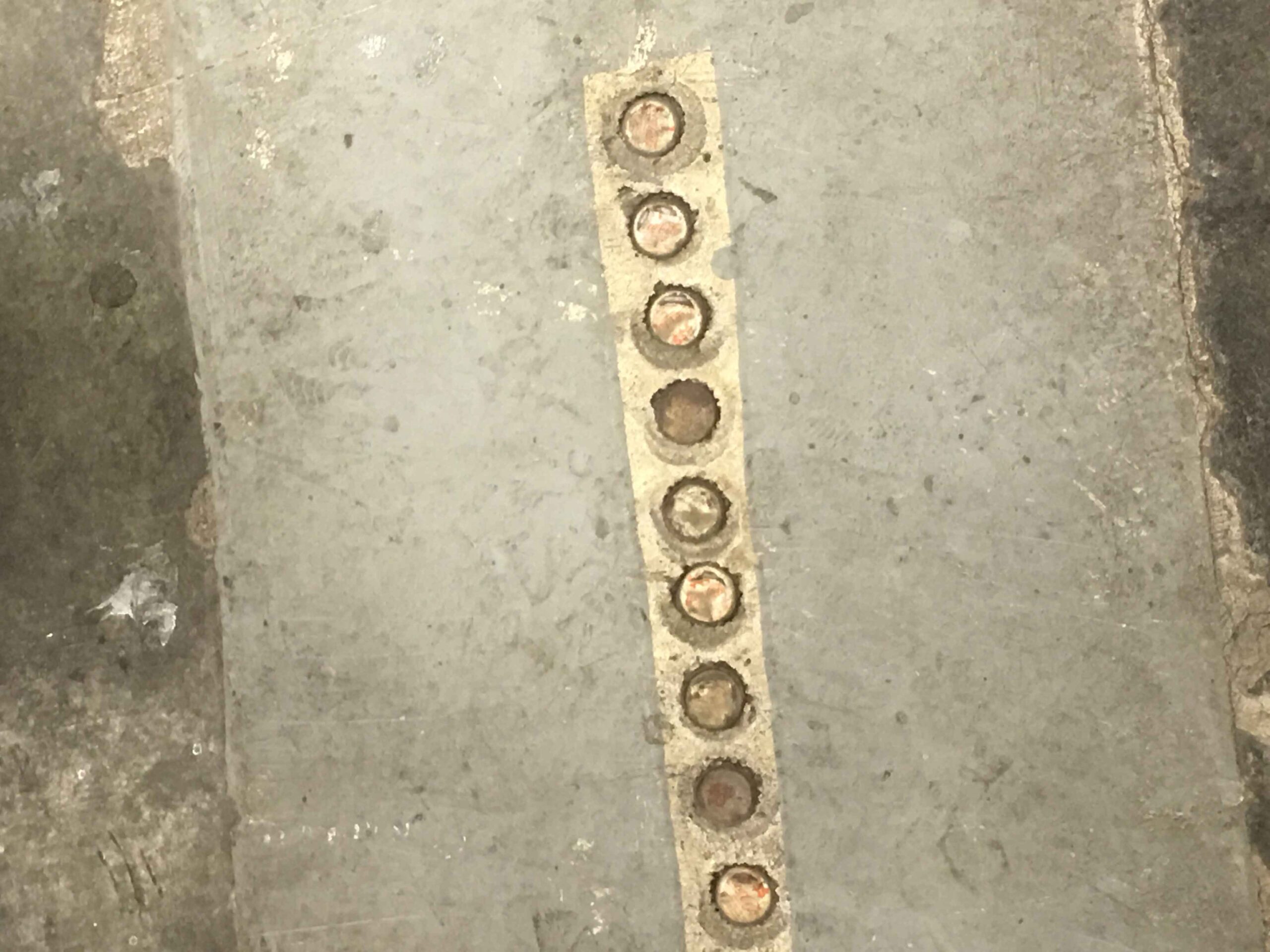
The bottles themselves were also part of the local system.
Customers could return empty bottles and receive a deposit.
Those bottles were then washed, refilled and sent back into circulation.
This was common with glass beverage bottles long before modern recycling programs became part of everyday life.
Glass bottles were valuable.
You didn’t simply toss them away.
And Coca-Cola had already created one of the most recognizable bottle designs in the world.
The famous contour bottle was intentionally designed so people could recognize it even by touch in the dark.
Early versions were also embossed with the names of the cities connected to individual bottlers.
That makes me wonder…
Are there old Coca-Cola bottles connected to Key West still sitting in collections somewhere?
If you own one, I would absolutely love to see it.
The Overseas Highway Changes Key West Again
Eventually, transportation caught up with Key West.
The Overseas Railroad had already created a rail connection between the Keys and mainland Florida, but after portions of the railroad were destroyed in the Labor Day Hurricane of 1935, transportation through the Keys changed dramatically.
The Overseas Highway ultimately created a continuous road connection to Key West.
That road changed almost everything.
Visitors could drive to Key West.
Supplies could arrive by truck.
Businesses no longer had to depend as heavily on local production or transportation by boat and rail.
And that included Coca-Cola.
Once bottled Coca-Cola could simply be trucked down from mainland Florida, operating a local bottling plant was no longer necessary.
The Key West Coca-Cola bottling operation closed.
From Coca-Cola to Key Lime Pie
That still wasn’t the end of this building’s story.
Over the years, the property continued reinventing itself.
It has reportedly been used as:
- Office space
- Upscale clothing shops
- A liquor distributor
- And, for a short period, a key lime pie factory
That last one feels almost inevitable.
A building in Key West that started as a hardware store, became a saloon, turned into a Coca-Cola bottling plant and eventually produced key lime pie?
That may be one of the most Key West résumés imaginable.
One Building, So Many Key West Stories
This is why I always encourage people to slow down when they’re walking around Old Town.
Historic Key West isn’t only found inside museums or famous houses.
Sometimes it’s sitting on an ordinary-looking corner.
Historic Marker #65 connects this one location to so many different chapters of the island’s history:
the cigar industry,
the Great Fire of 1886,
Key West’s working waterfront,
sailors and fishermen,
Jack’s Saloon,
the Coca-Cola bottling industry,
historic cisterns,
reusable glass bottles,
and the arrival of the Overseas Highway.
All from one little spot.
Visit Historic Marker #65
If you’re exploring this part of Key West, look for the Old Coca-Cola Bottling Court Historic Marker #65 near Simonton and Front Streets.
You don’t need long to visit it.
But once you know the story, you’ll probably never look at that corner quite the same way again.
And next time you open an ice-cold Coca-Cola in Key West, you can think about a time when those bottles weren’t arriving on a delivery truck from the mainland.
They were being filled right here on the island.
Possibly with a little Key West rainwater thrown into the story.
And if you could go back and visit this building during just one part of its history, which would you choose?
Would you stop by the hardware store in 1892?
Order a drink at Jack’s Saloon in 1914?
Watch Coca-Cola bottles rolling through the bottling machines in the 1920s?
Or skip ahead to the key lime pie factory?
I think I’d choose the Coca-Cola plant.
Especially if they’d let me keep the bottle.
More Hidden Key West History
One of my favorite things about Key West is that history is everywhere once you know where to look.
Keep exploring with me as we uncover more historic markers, unusual buildings and stories hiding in plain sight around the island.